The page of the nutrition handbook is crinkling slightly as I flip through it — that faint paper sound that fills my consulting office on a quiet afternoon. I spend my days helping people manage their blood pressure through food, and if there's one thing I've learned, it's this: what you eat doesn't just affect your arteries over decades. It affects your stress levels right now, today, within hours of your last meal.
The Food-Stress-Blood Pressure Axis
Most people understand that high sodium intake raises blood pressure. That's the DASH diet 101. But fewer people realize that food also directly influences your cortisol levels, your nervous system regulation, and your body's ability to process stress.
When you eat a meal high in refined carbohydrates and added sugars, your blood sugar spikes and then crashes. That rollercoaster triggers stress hormone release — adrenaline and cortisol — which directly raises your heart rate and constricts your blood vessels. Conversely, eating foods rich in specific minerals and macronutrients can support your nervous system's ability to stay calm under pressure.
This is where DASH diet principles become genuinely powerful. The DASH eating plan — Dietary Approaches to Stop Hypertension — was developed specifically to address hypertension through nutrition. But its emphasis on whole grains, lean proteins, potassium, magnesium, and fiber also happens to be exactly the nutritional profile that supports stress resilience.
Five Foods I Recommend to Every Client
These aren't exotic superfoods or expensive supplements. They're ordinary, accessible foods that I recommend consistently because the science behind them is solid.
1. Leafy Green Vegetables (Especially Spinach and Swiss Chard)
Leafy greens are packed with magnesium — a mineral that plays a critical role in regulating the nervous system. Magnesium acts as a natural calcium channel blocker in blood vessel walls, helping vessels relax and blood pressure to drop. Most people are chronically mildly deficient in magnesium, and that deficiency is linked to higher baseline stress and worse cardiovascular outcomes.
When I have clients who report feeling "wired and tired" all the time — that state of being physically exhausted but mentally on edge — magnesium supplementation through food is almost always part of the conversation.
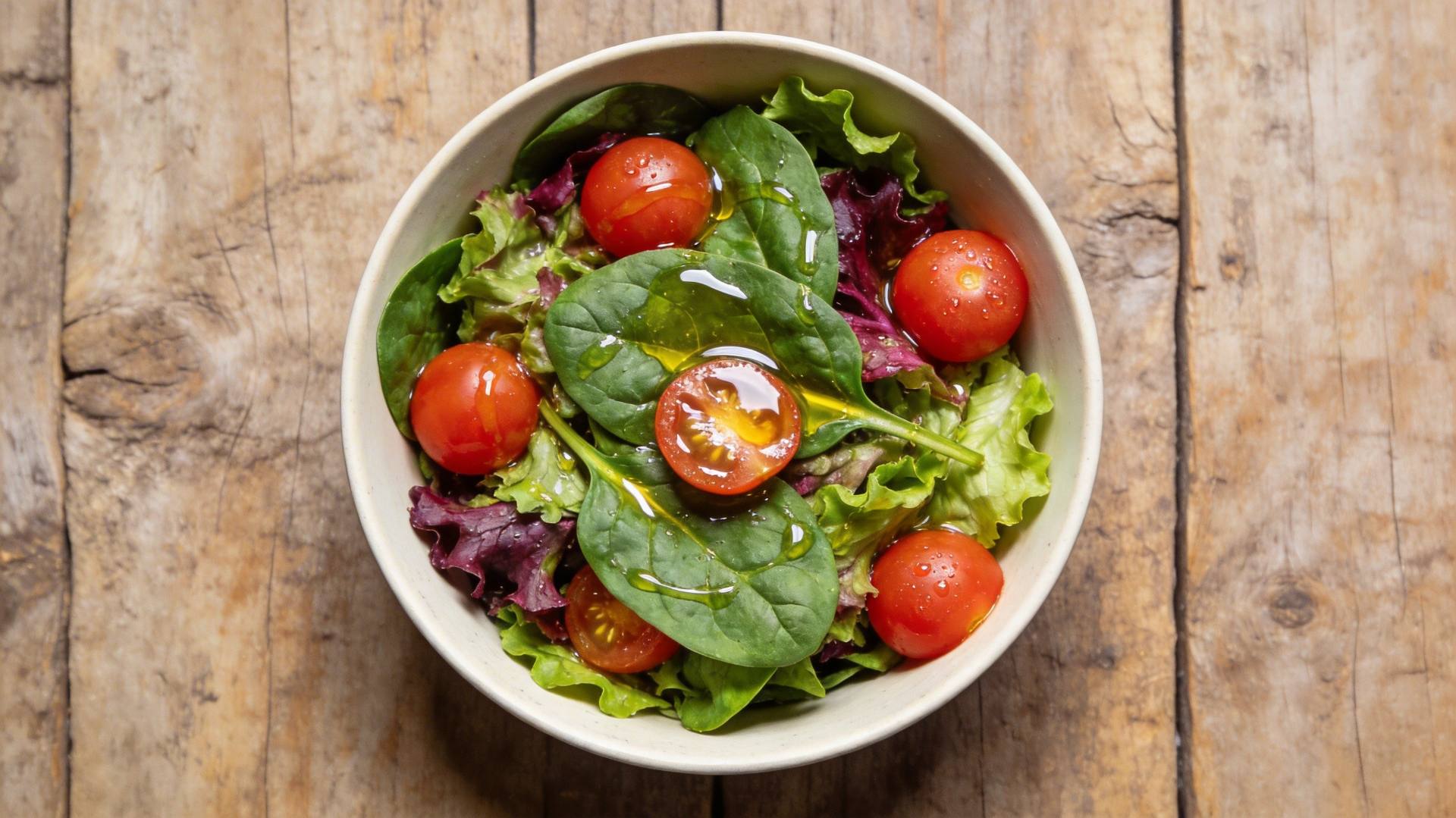
I tell clients to aim for two to three cups of leafy greens daily. A simple side salad with lunch, a handful of spinach in a morning smoothie, some sautéed chard with dinner. It adds up faster than you think.
2. Bananas — Nature's Potassium Pack
Bananas are one of the richest dietary sources of potassium, and potassium is fundamental to blood pressure regulation. It counteracts sodium's effects on blood vessel tone and helps your kidneys excrete excess fluid. But potassium also supports muscle relaxation — including the smooth muscles in your blood vessel walls.
For stress specifically, bananas also contain tryptophan, which the brain converts to serotonin, a neurotransmitter that promotes feelings of calm and well-being. This doesn't mean eating a banana will cure your anxiety. But consistently maintaining adequate potassium through food — which DASH diet emphasizes — creates a physiological environment that's more resilient to stress.
One banana a day is a simple, achievable target. Pair it with a handful of nuts for a snack that combines potassium with healthy fats and protein — a combination that keeps blood sugar stable and stress hormones quiet.
3. Oats — Slow Burning Calm
Oats are a whole grain with a low glycemic index, meaning they release glucose into your bloodstream slowly and steadily. No spikes, no crashes. When your blood sugar is stable, your body doesn't have to repeatedly fire the stress response to handle glucose surges.
Oats also contain a specific type of fiber called beta-glucan, which has been shown in multiple studies to lower LDL cholesterol and reduce blood pressure. And the act of eating something warm and hearty in the morning — that comfort food quality — also has a mild soothing effect on the nervous system. That tactile comfort isn't just psychological. There's a real physiological relaxation response that comes from eating warm, nutrient-dense food.
4. Dark Chocolate (70% Cacao or Higher)
I know — telling someone with blood pressure concerns to eat chocolate sounds counterintuitive. But dark chocolate, specifically varieties with 70% cacao or higher, contains flavanols that improve blood vessel function and reduce blood pressure. Studies consistently show that moderate dark chocolate consumption — about one to two ounces daily — lowers systolic BP by 2 to 3 mmHg on average.
Beyond the vascular effects, dark chocolate also triggers the release of endorphins and serotonin in the brain. The sensory experience of eating good dark chocolate — the bitterness, the melt-in-your-mouth texture — also has a grounding quality that I sometimes describe to clients as "eating meditation."
The key is the cacao percentage. Milk chocolate and most commercial chocolate bars have too much sugar and not enough cacao to be beneficial. But a small square of 85% dark chocolate after dinner? That's a stress-relieving ritual that actually supports your cardiovascular goals.
5. Chamomile and Hibiscus Tea
Technically a food, but worth mentioning separately because of how powerful it is. Chamomile contains apigenin, a flavonoid that binds to GABA receptors in the brain — the same receptors targeted by anti-anxiety medications. That binding promotes relaxation and reduces neural activity associated with worry and rumination.
Hibiscus tea is equally impressive for blood pressure specifically. Multiple clinical trials show that hibiscus tea lowers systolic BP by 4 to 7 mmHg in people with pre-hypertension and Stage 1 hypertension. The anthocyanins in hibiscus improve blood vessel elasticity and have a mild diuretic effect.
I recommend my clients drink two to three cups of either daily — and PlanForBP's nutrition module has specific guidance on timing that I use with clients to optimize absorption and benefit.
How PlanForBP Helped Me Structure This for Clients
One of the challenges I face as a dietitian is making nutrition advice practical. I can tell someone "eat more potassium" until I'm blue in the face, but if they don't know how to actually incorporate it into their real meals, nothing changes.
PlanForBP's nutrition module gives me structured, personalized recommendations that I can share with clients in a way that makes sense for their actual grocery budget, cooking skills, and taste preferences. It helped me create DASH-aligned meal plans that don't require clients to overhaul their entire kitchen or learn to love foods they genuinely don't enjoy.
The food substitution guidance was particularly useful. Instead of just saying "reduce sodium," PlanForBP gives specific swaps — replacing soy sauce with lemon juice and herbs, trading deli meat for fresh roasted chicken, choosing whole grain bread over white. These small, specific changes are what make DASH diet sustainable.
A Practical Starting Point
If you're overwhelmed by the idea of changing your diet, start with breakfast. One bowl of oatmeal with a banana, and a cup of chamomile tea. That's it. That's your stress-relieving breakfast protocol. Do that for two weeks and pay attention to how you feel mid-morning — less jittery, more steady. Then build from there.
Small changes in food choices, made consistently, are what move the needle on both stress and blood pressure. You don't need a perfect diet. You need a sustainable one.