Still Have High Blood Pressure Even After Cutting Salt? These 3 Hidden Drivers Are the Real Danger
Most people know that eating too much salt can raise blood pressure. But have you noticed that even after cutting salt, your blood pressure is still high—or even quietly creeping up?
As medical research goes deeper, more and more hidden drivers of hypertension are being uncovered. Recently, one study identified three “behind‑the‑scenes” culprits—they look ordinary, but can silently push your blood pressure out of control.
In November 2025, a study published in the international journal Education and Health Promotion found that sleep quality, physical activity level and whether your body weight is healthy are tightly intertwined, and together shape your blood pressure—they may even be the real “hidden drivers” of hypertension.
Poor Sleep Can Really Make Your Blood Pressure Spike
The study found that people with high blood pressure had almost double the average sleep‑quality score of healthy individuals (the higher the score, the worse the sleep quality).
If you wake up easily at night, feel exhausted during the day, or have mild to moderate sleep disturbances, your risk of developing hypertension is 24% higher than people who sleep well. And no, insomnia is not the only problem—shallow sleep and frequent awakenings drag your blood pressure down just the same.
So it is recommended to avoid using electronic devices before bed, ensure 7–8 hours of sleep every night, prioritize sleep quality and build consistent bedtime routines.
In addition, a study published in November 2025 in the journal Sleep Advances found that going to bed at a fixed time every day can significantly lower blood pressure, with the optimal bedtime window between 22:00 and 23:00.
Too Little Exercise: Hypertension Risk “Doubles”
If you sleep poorly and barely exercise, your risk of hypertension will be even higher. The good news is that exercise can “rescue” poor sleep. The study found that for people who sleep badly and are also inactive, the risk of hypertension increases by 21%–38%.
By contrast, for those who keep up regular exercise, even if their sleep quality is only average, their risk of hypertension hardly increases at all (up by just 4%). A daily 30‑minute brisk walk, doing housework or farm work can all serve as your “protective shield” against the damage of insufficient sleep.

Healthy Weight: Both “Too Fat” and “Too Thin” Raise Blood Pressure
Many people think only people who are overweight develop hypertension. This study breaks that stereotype: among people with poor sleep, being obese, overweight or even underweight (low BMI) all add an extra 22%–24% risk of hypertension.
In other words, poor sleep + no exercise + unhealthy body weight are the three major behind‑the‑scenes drivers that quietly push your blood pressure up.
On top of that, prolonged sitting, eating too much salt, chronic negative emotions, and smoking or drinking also drive your blood pressure higher.
Dietary Adjustments: Eat Smart to Stabilize Blood Pressure
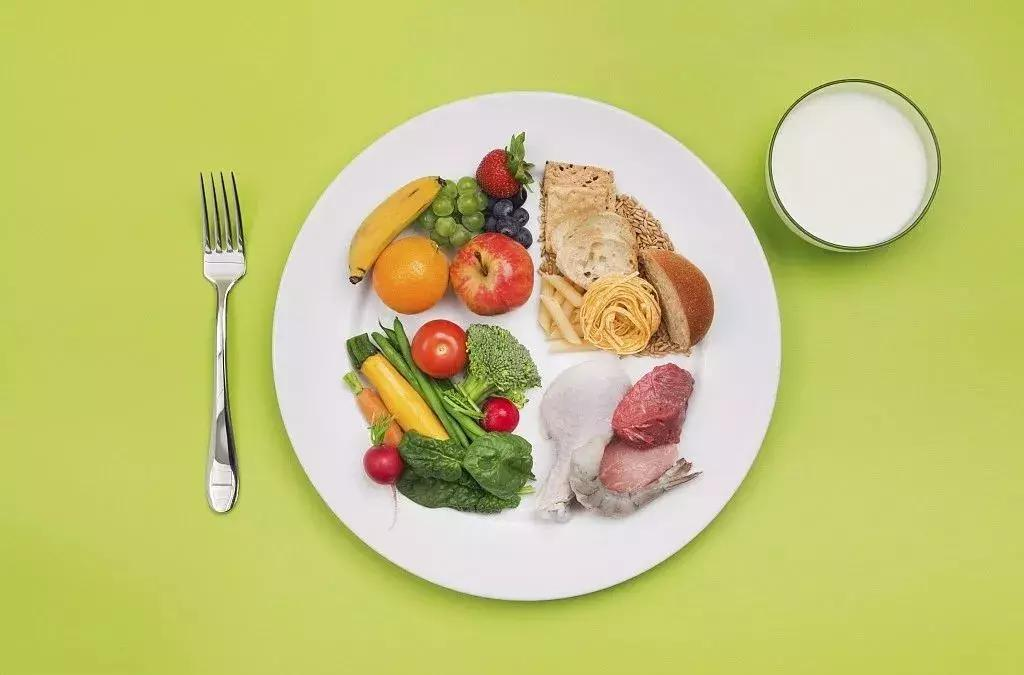
Diet‑wise, studies have shown that replacing part of refined white rice and flour with whole grains such as brown rice, oats and whole‑wheat products can significantly reduce the risk of hypertension.
You can also consciously include more natural foods that benefit blood pressure, such as eggs, tomatoes and soy products, all of which have a positive effect on blood pressure control.
There is also solid evidence that using low‑sodium salt helps lower blood pressure in people with hypertension and reduces cardiovascular events and mortality.
In addition, drinking plenty of plain water can effectively reduce the risk of hypertension. Specifically, people who drink about 6–8 cups of plain water a day (1 cup ≈ 240 ml) have a much lower risk of hypertension than those who drink no more than 1 cup a day.