Do You Really Understand Hypertension?
According to the 2023 Report on Cardiovascular Health and Diseases in China, the number of people with hypertension in China has exceeded 330 million, which means that roughly one in four adults has high blood pressure. Even more concerning, only about 50% of patients are aware of their condition, and the blood pressure control rate is less than 17%. Behind these cold numbers lies a widespread lack of awareness about hypertension prevention and treatment. In this article, we will break down three common misconceptions and take a fresh look at this “silent killer” that lurks all around us.
Misconception 1: Hypertension Is Only a Disease of the Elderly
Many young people believe that hypertension is an “old people’s disease” and has nothing to do with them. However, clinical data show that the prevalence of hypertension among Chinese youth aged 18–35 has already reached 15.3%, and hypertension is clearly becoming more common at younger ages.
For young people, hypertension is often closely related to unhealthy lifestyle habits: chronic sleep deprivation, prolonged sitting and inactivity, high-salt and high-fat diets, and excessive mental stress can all be triggers. Moreover, hypertension in younger individuals is often asymptomatic and easily overlooked. By the time symptoms such as dizziness or headache appear, irreversible damage may already have occurred in the heart, brain, kidneys, and other organs.
Misconception 2: No Symptoms Means No Need for Treatment
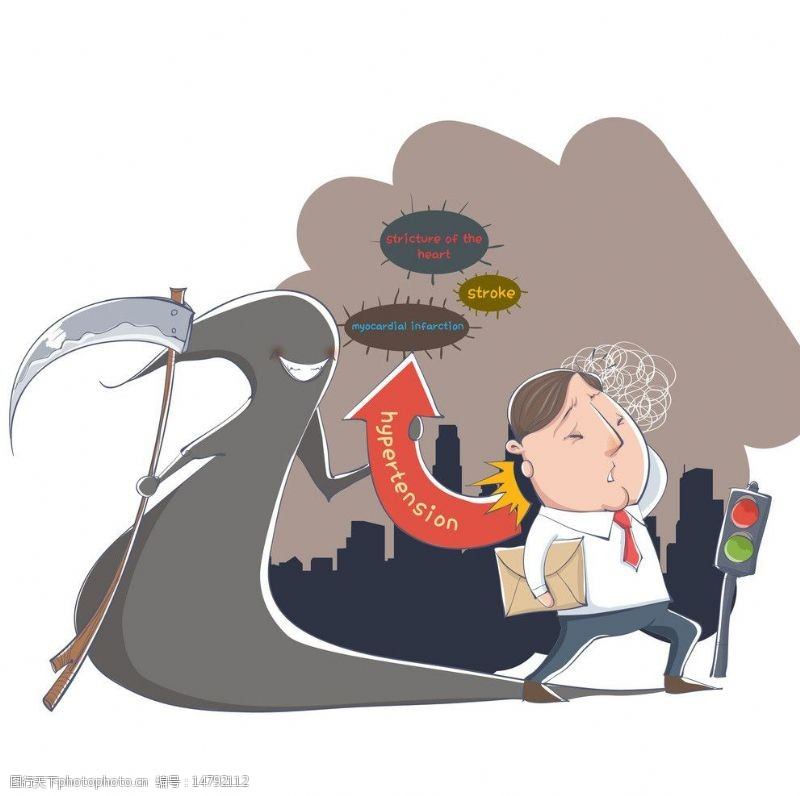
"I don’t really feel anything—why should I take medicine?" This is a common question among people with hypertension. In fact, hypertension is called a “silent killer” precisely because it often has no obvious symptoms in its early stages. The absence of symptoms does not mean the absence of harm.
Long‑term high blood pressure leads to thickening, hardening, and loss of elasticity in the vessel walls, which in turn can cause coronary heart disease, stroke, and other cardiovascular and cerebrovascular events. Studies have shown that for every 10 mmHg increase in systolic blood pressure, the risk of stroke increases by 53%, and the risk of coronary heart disease increases by 31%. Therefore, once hypertension is diagnosed, standardized treatment under a doctor’s supervision is necessary regardless of whether you have symptoms.
Misconception 3: Once Blood Pressure Is Normal, You Can Stop Medication
Some patients stop taking their antihypertensive medications on their own once their blood pressure has returned to normal. This is extremely dangerous. Hypertension is a chronic condition that currently cannot be completely cured and usually requires long‑term, even lifelong, treatment.
Stopping medication without medical supervision can cause a rebound in blood pressure, sometimes to levels even higher than before treatment, and significantly increases the risk of cardiovascular and cerebrovascular events. The correct approach is to adjust the type or dose of medication under a doctor’s guidance based on blood pressure control, and never stop or switch medicines on your own.
Scientific Management of Hypertension Starts with Lifestyle Change
In addition to medication, healthy lifestyle habits are a cornerstone of preventing and managing hypertension. The following suggestions may help you stay away from the burden of high blood pressure:
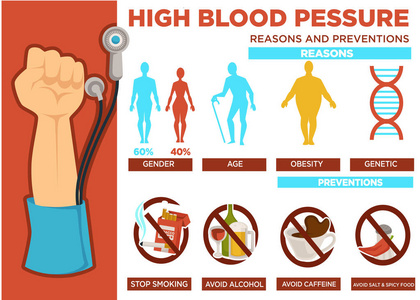
Healthy diet: Reduce sodium intake. Daily salt intake should be no more than 5 grams per person. Increase potassium intake by eating more fresh vegetables and fruits. Reduce fat intake, especially saturated fat and cholesterol. Appropriate exercise: Aim for at least 150 minutes of moderate‑intensity aerobic exercise per week, such as brisk walking, jogging, or swimming, or 75 minutes of vigorous aerobic activity. Weight control: Keep your body mass index (BMI) between 18.5 and 23.9 kg/m². Waist circumference should be no more than 90 cm for men and 85 cm for women. Quit smoking and limit alcohol: Smoking is a major risk factor for cardiovascular disease and should be stopped completely. Excessive alcohol intake raises blood pressure and should be strictly limited. Maintain psychological balance: Long‑term mental stress, anxiety, and depression can all raise blood pressure. Learn to regulate your emotions and maintain psychological balance.
Conclusion
Hypertension is a preventable and controllable disease, but it requires us to take it seriously at the cognitive level and to make real changes in our daily lives. We hope today’s article helps you gain a deeper understanding of hypertension, and that you will pass this knowledge on to those around you so we can protect cardiovascular health together.