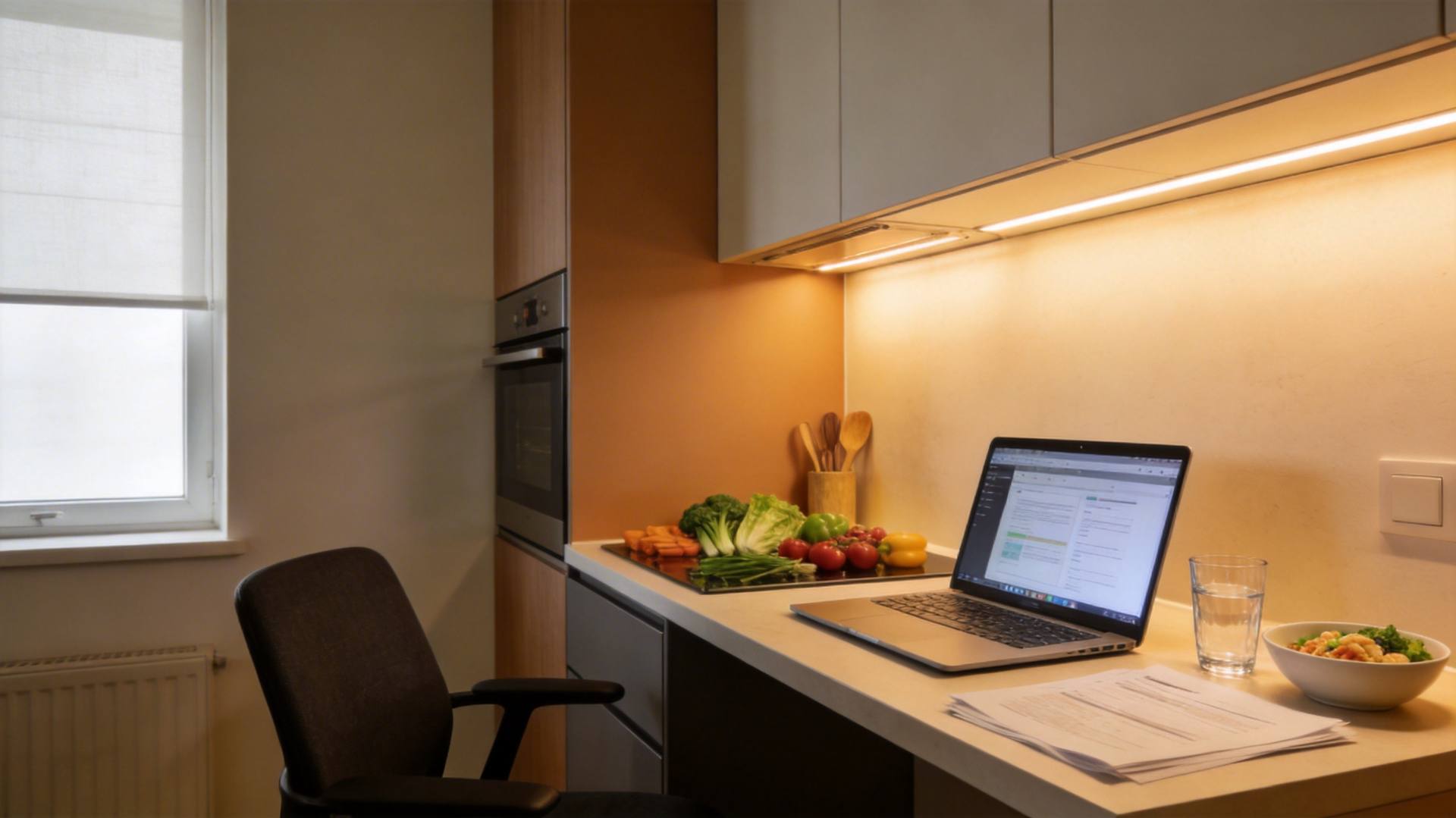
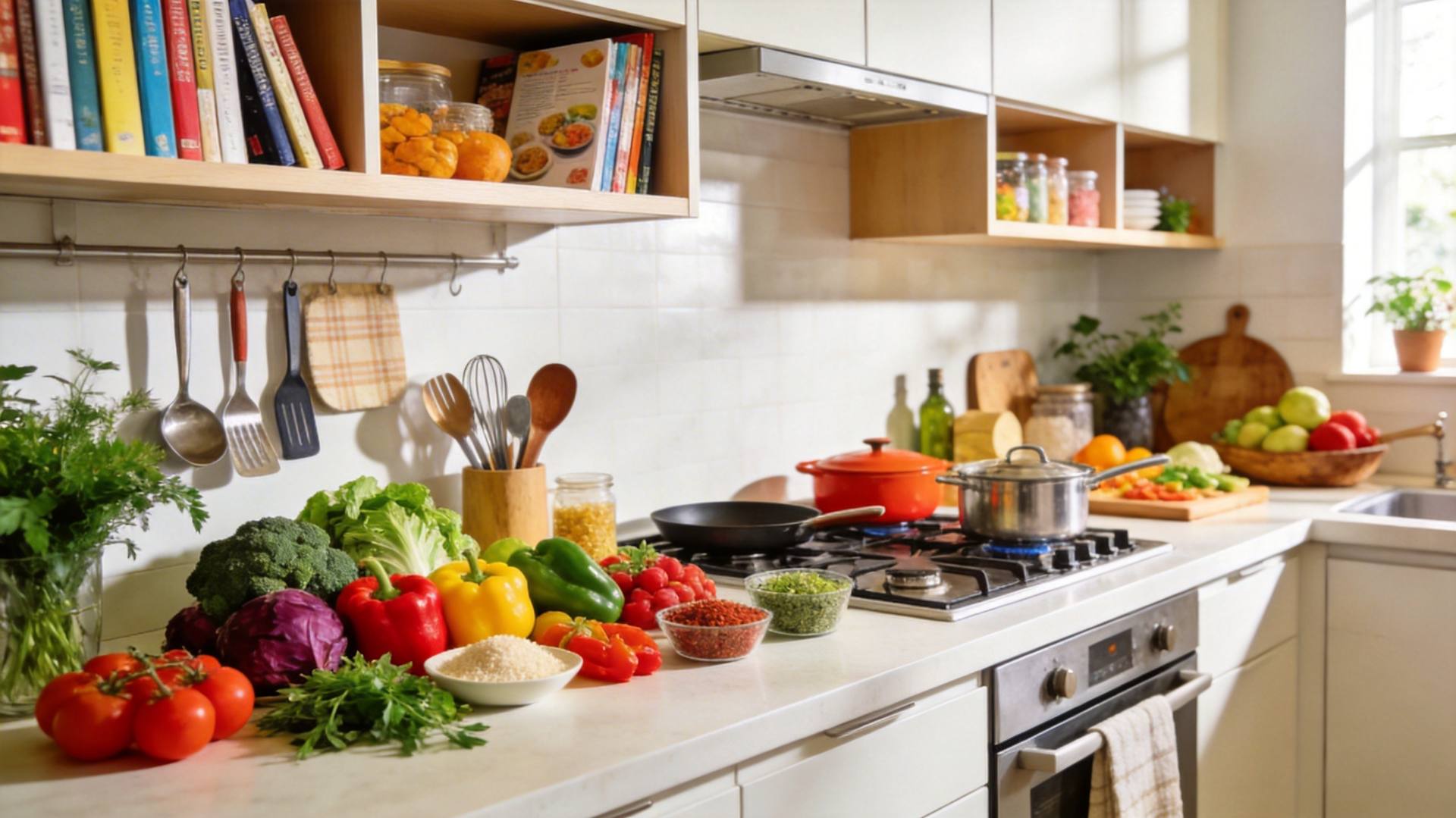
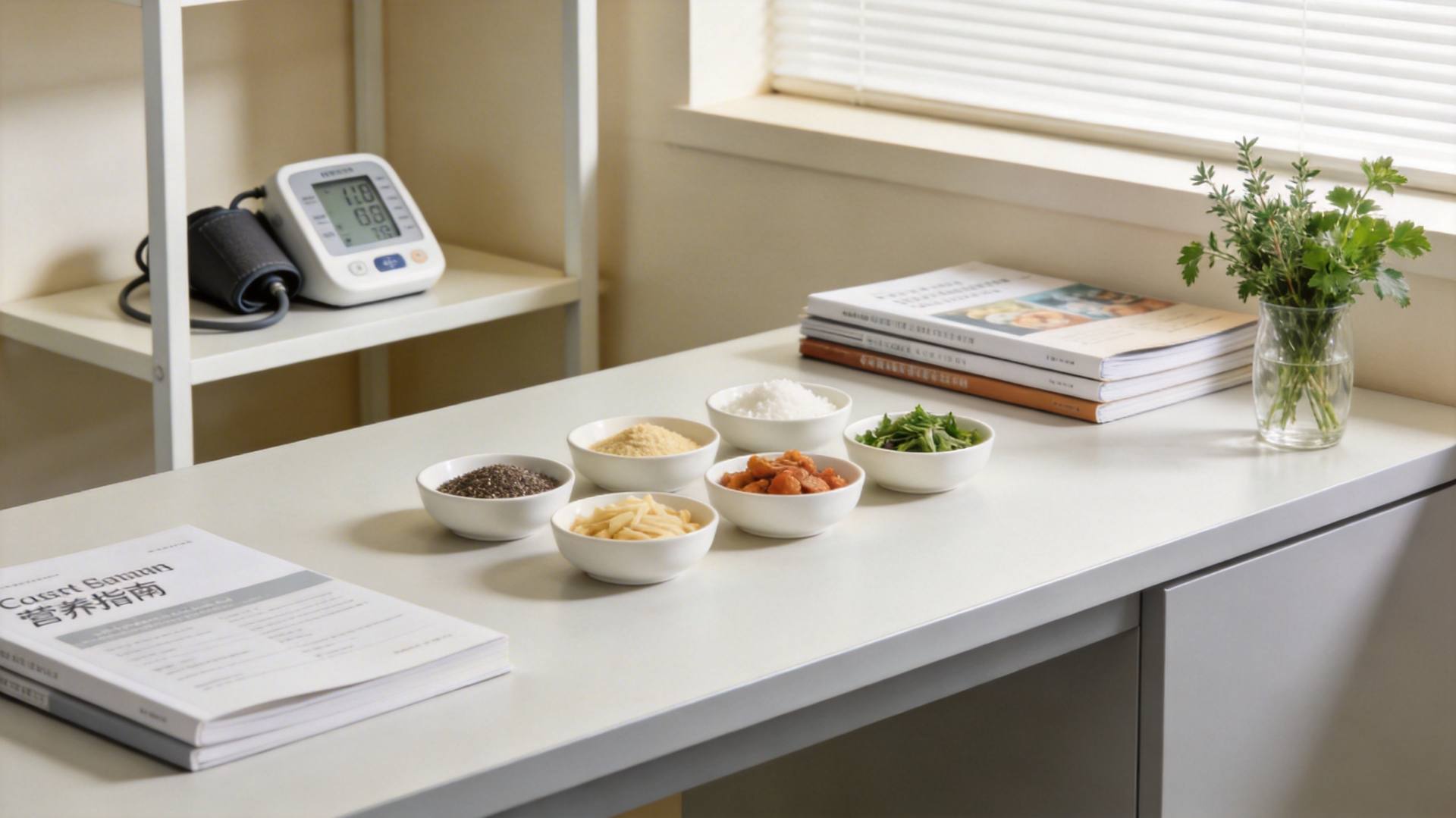
The gentle sound of water running in the kitchen sink fills the quiet morning. I'm standing here with a cup of herbal tea in my hands, thinking about all the clients who've sat across from me at my consulting table and said the same thing: "I've tried to eat better, but I just don't know where to start."
That's always the hardest part. Not knowing where to start. So let me start you right here, right now, with four strategies so simple that you can begin today — not tomorrow, not Monday. Today.
Why DASH Diet Beginners Get Stuck
The DASH diet — Dietary Approaches to Stop Hypertension — has more scientific backing than almost any other eating plan for blood pressure management. Study after study confirms its effectiveness. The American Heart Association recommends it. Doctors prescribe it. Nutritionists teach it.
And yet, most people who try to start it on their own feel overwhelmed within the first week. Why? Because they try to change everything at once. They throw out all their pantry staples, buy a shopping cart full of unfamiliar ingredients, attempt to cook elaborate meals they've never made before, and then feel like failures when it all falls apart by Wednesday.
That's not how lasting change works. And it's certainly not how DASH diet is meant to be practiced.
Four Stress-Free Strategies for Starting DASH Diet
Strategy 1: The One-Swap Rule
Here's the gentlest way I know to start. Pick one thing you eat every day that isn't DASH-aligned, and swap it for something that is.
Most people eat the same breakfast every single day. For my clients, that breakfast is often something like a bagel with cream cheese, a bowl of sugary cereal, or a breakfast sandwich from a drive-through. Those are all high in sodium and low in the nutrients DASH emphasizes.
Your one swap: choose one of those breakfasts and replace it with something simple. A bowl of oatmeal with berries and a sprinkle of cinnamon. A piece of whole grain toast with natural peanut butter and banana. A vegetable omelet made with one egg and one egg white, sautéed spinach, and a sprinkle of feta.
That's it. One swap. You don't change anything else. You just start with one change and commit to it for two weeks.
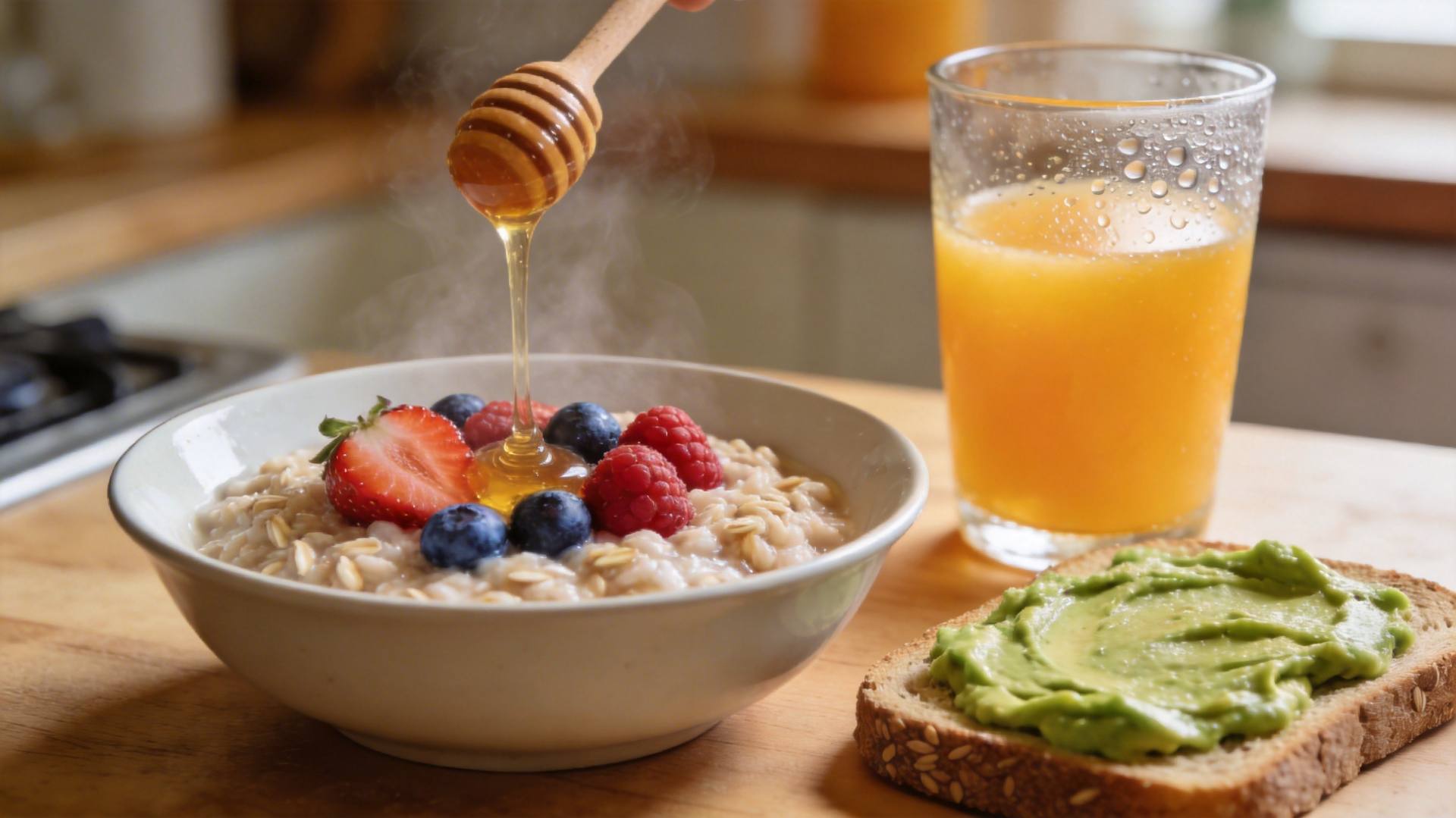
Once that one swap feels automatic — like you don't even have to think about it anymore — then you add another. But not before. Rushing this process is where most people break down.
Strategy 2: Build Meals Around Vegetables First
This is a reframe that changes everything. Instead of thinking "what protein should I have for dinner?" think "what vegetables do I want, and how can I build the rest of the meal around them?"
A DASH-aligned plate looks like this: half the plate is vegetables, a quarter is lean protein, and a quarter is whole grains or starch. When you start with vegetables, you naturally crowd out the high-sodium, processed foods that would otherwise take up space on your plate.
I tell clients to imagine a dinner plate. Now imagine it's divided into four sections — two of those sections are vegetables. If you're having pasta, fill half your plate with a big salad or roasted broccoli before you even start on the pasta. If you're having chicken, make sure there's twice as much cooked vegetable as there is chicken.
This doesn't require special recipes. It just requires you to look at your plate differently.
Strategy 3: Flavor with Everything Except Salt
One of the most common fears I hear from beginners: "Won't low-sodium food taste bland?"
It doesn't have to. Not even close. The problem isn't that salt makes food taste good — it's that most people's palates have been so overwhelmed by the hyper-palatable combination of salt, fat, and sugar in processed foods that they've lost sensitivity to subtler flavors.
When you reduce sodium intake, your taste buds recalibrate over two to three weeks. Foods that seemed bland at first start tasting vibrant and complex. Vegetables you thought you didn't like suddenly reveal flavors you never noticed.
To support that transition, stock up on flavor alternatives. Garlic and onion powder. Lemon juice. Fresh and dried herbs. Vinegars. Black pepper. Turmeric. These ingredients add depth and excitement to food without adding sodium.
The sound of a lemon being squeezed into a salad dressing — that bright, acidic hiss — is one of my favorite sounds in the kitchen. It's the sound of flavor without compromise.
Strategy 4: Use PlanForBP as Your Gentle Guide
I discovered PlanForBP about two years ago, and it genuinely changed how I support my clients through dietary change. Instead of giving them a rigid meal plan that doesn't fit their life, PlanForBP helps me create personalized recommendations that adapt to their schedule, their cooking skills, their food preferences, and their stress level around food.
The DASH diet guidance module is particularly well-designed for beginners. It breaks the approach into small, manageable steps rather than demanding a complete overhaul. It tracks sodium intake without making you feel guilty about occasional high-sodium meals. And it celebrates progress rather than perfection.
For beginners especially, that gentle encouragement makes all the difference. Diet culture tells you that any deviation from the plan is failure. PlanForBP treats dietary change as what it actually is — a gradual process with ups and downs, and that's completely normal.
What I Tell Every Beginner
After two weeks of making one simple swap and building meals around vegetables, most of my clients report feeling noticeably better. More energy, less afternoon sluggishness, better digestion. Blood pressure readings often start improving within four to six weeks, though individual results vary.
But the most important thing I've seen is this: when you approach DASH diet as a gentle, gradual experiment rather than a rigid rules system, it stops feeling like a punishment and starts feeling like a gift you're giving yourself. You're not restricting food. You're adding nutrients. You're not giving anything up — you're upgrading.
So here's your homework for today. Just one thing. Make one DASH-aligned breakfast tomorrow morning. That's it. One bowl of oatmeal. One piece of toast with avocado. One vegetable omelet. Just one thing, and then we'll talk about what comes next.