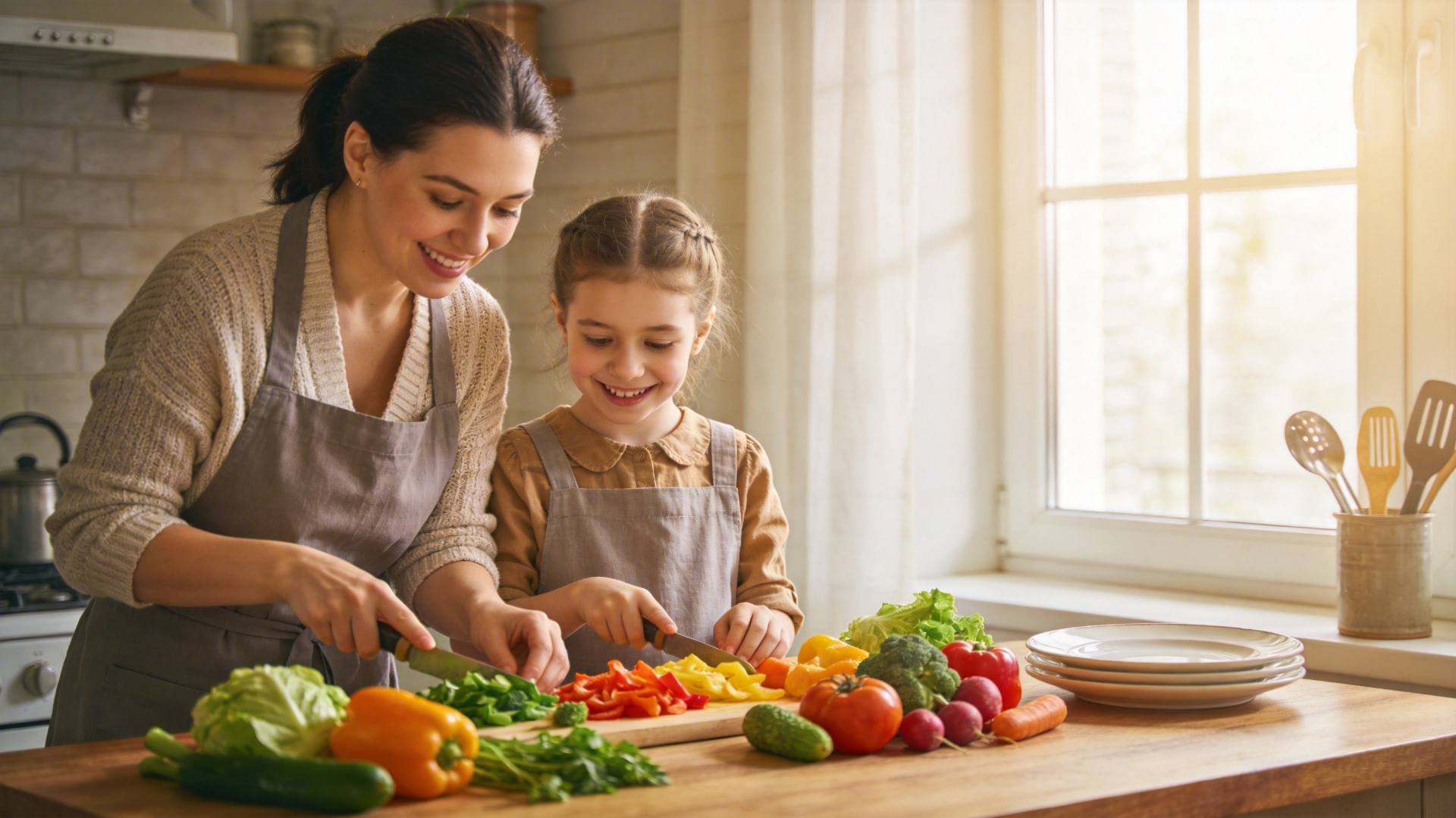
The blade of the chef's knife taps lightly against the cutting board as I arrange ingredients for today's cooking demo. The faint sound of vegetables sliding into a prep bowl, the smell of fresh basil from the herb bunch I picked up this morning — these are the textures and sounds that I want every client to associate with DASH diet cooking. Not restriction. Not suffering. Real food, cooked simply, done right.
Why DASH Diet Gets a Bad Reputation
Here's the truth I've learned after years of working with hypertensive clients: the DASH diet isn't complicated. The problem is that most DASH diet guides are written by nutritionists for nutritionists. They use terms like "dietary sodium reduction to under 2,300 mg daily" and "increase potassium to 4,700 mg daily" and then act surprised when clients' eyes glaze over.
The actual DASH diet principles, when you strip away the jargon, are beautifully simple. Eat more fruits and vegetables. Choose whole grains over refined. Use lean proteins. Limit processed foods, which are the primary source of excess sodium in most diets. Use herbs and spices instead of salt for flavor.
That's the whole thing. That's DASH.
Three Recipes That Make DASH Diet Actually Work
These are the three recipes I return to most often in my practice. They're simple, they taste genuinely good, and clients consistently report they're easy enough to make on a weeknight after work.
Recipe 1: Mediterranean-Inspired Overnight Oats (Breakfast — 10 Minutes Prep, No Cooking)
This is a recipe for clients who say they don't have time for breakfast. You make it the night before.
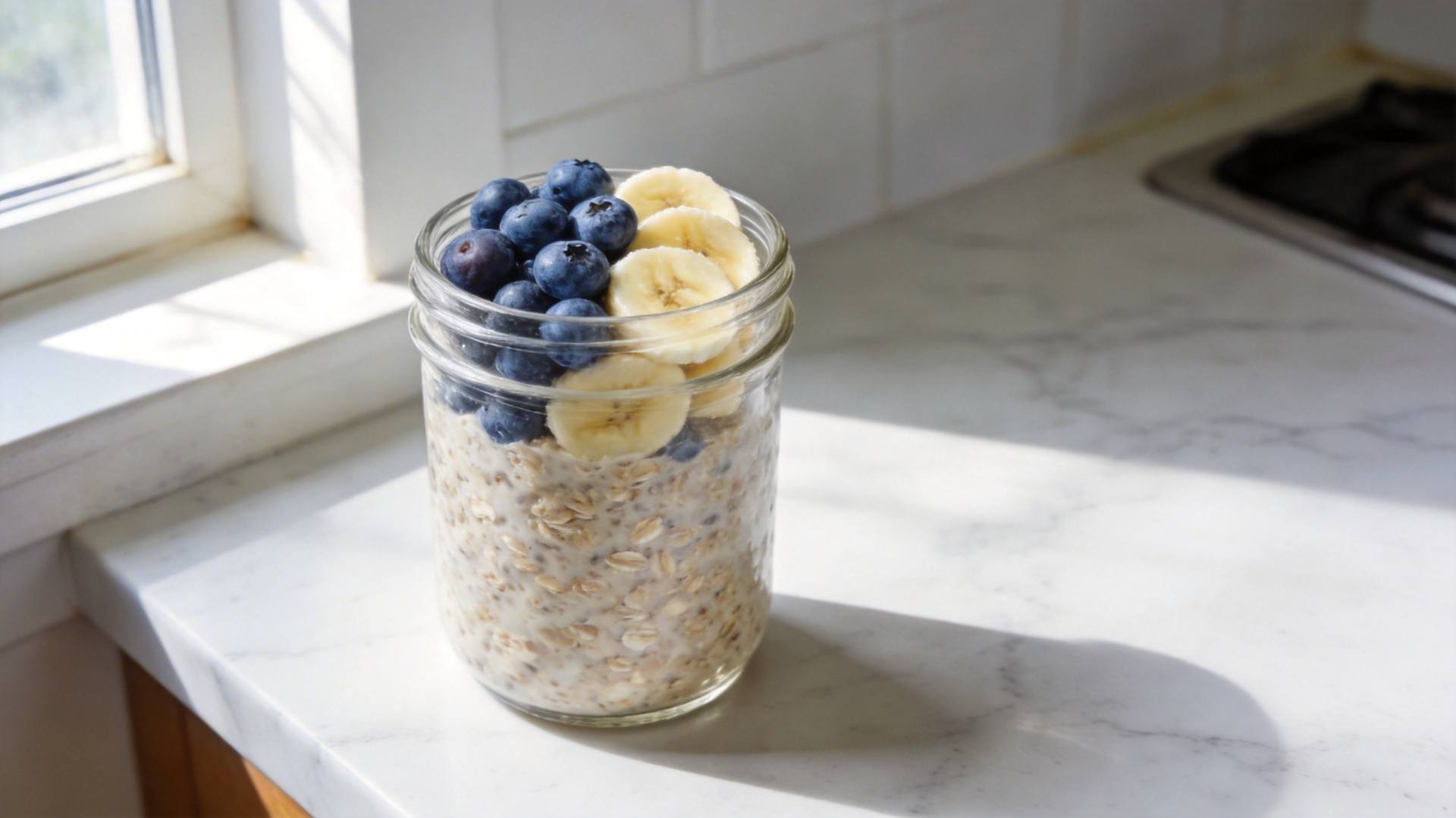
**What you need:** - Half a cup of rolled oats - One cup of unsweetened almond milk - One tablespoon of chia seeds - Half a cup of fresh blueberries - One tablespoon of ground flaxseed - Half a banana, sliced - A pinch of cinnamon
**How you make it:** Mix the oats, almond milk, chia seeds, and cinnamon in a jar or bowl the night before. Cover it and put it in the fridge. In the morning, top it with blueberries and banana. That's it. No cooking, no standing over a stove.
The chia seeds add omega-3s and fiber. The blueberries bring antioxidants and natural sweetness. The almond milk keeps sodium nearly zero. A typical serving of this comes in at around 180 mg of sodium — compared to a single serving of most boxed cereals, which often exceed 300 mg.
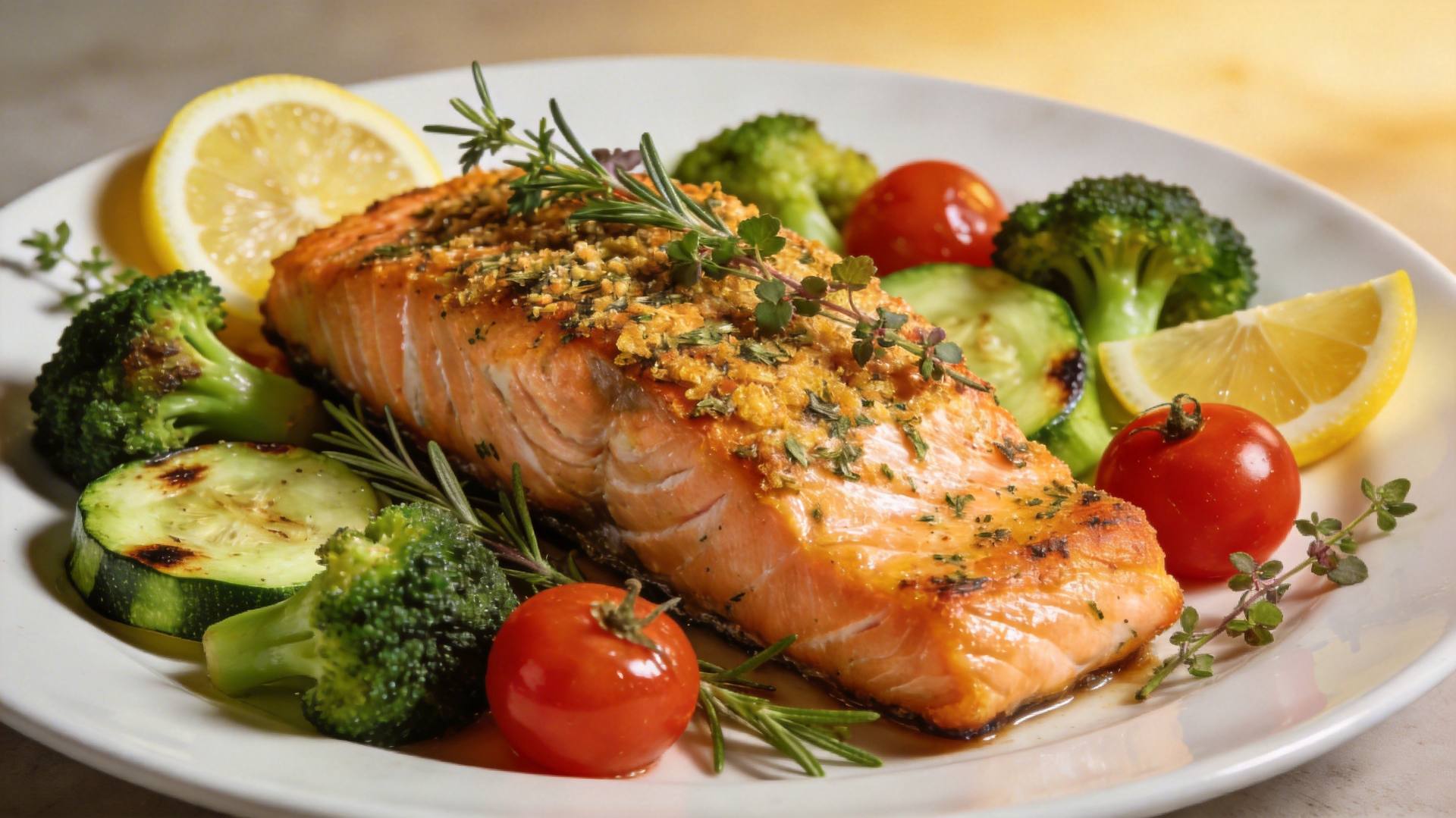
Recipe 2: Herb-Crusted Baked Salmon with Roasted Vegetables (Lunch or Dinner — 25 Minutes)
This is the recipe that wins over clients who think "low-sodium food" means "boring food."
**What you need:** - One 6-ounce salmon fillet - One tablespoon of olive oil - One teaspoon of garlic powder - One teaspoon of dried dill - Half a lemon, juiced - Two cups of broccoli florets - One cup of cherry tomatoes - One medium zucchini, sliced - Black pepper to taste
**How you make it:** Preheat the oven to 400°F (200°C). Toss the broccoli, zucchini, and tomatoes with half the olive oil and spread them on a baking sheet. Roast for 10 minutes.
Meanwhile, mix the remaining olive oil, garlic powder, dill, and lemon juice. Rub this mixture over the salmon fillet. After the vegetables have roasted for 10 minutes, push them to the sides of the pan and place the salmon in the center. Roast for another 12 to 15 minutes until the salmon is cooked through and flaky.
The total sodium for this entire meal — including the vegetables — is under 150 mg. Compare that to a single slice of pizza, which typically contains 400 to 600 mg. This meal is exploding with flavor from the herbs, the lemon, and the natural sweetness of roasted vegetables. You don't miss the salt.
Recipe 3: Turkey and Vegetable Soup (Lunch — 20 Minutes)
This one is perfect for batch cooking. Make a big pot on Sunday and portion it out for the week.
**What you need:** - One pound of ground turkey (93% lean) - One medium onion, diced - Three cloves of garlic, minced - Two carrots, diced - Two stalks of celery, diced - One can of no-salt-added diced tomatoes - Six cups of low-sodium chicken broth - One teaspoon of turmeric - One teaspoon of Italian seasoning blend - Two cups of fresh spinach - Black pepper to taste
**How you make it:** In a large pot, brown the ground turkey over medium heat — no need for added oil since turkey has enough fat to prevent sticking. As it cooks, break it up with a wooden spoon. Once browned, add the onion and garlic and cook until the onion is translucent, about three minutes.
Add the carrots, celery, tomatoes, broth, turmeric, and Italian seasoning. Bring to a boil, then reduce heat and simmer for 15 minutes until the vegetables are tender. Stir in the spinach and cook for another two minutes until wilted. Season with black pepper.
This recipe makes about six servings. Each serving has roughly 280 mg of sodium — well within DASH guidelines. The turmeric adds anti-inflammatory benefits that complement the cardiovascular goals, and the spinach bulks up the nutrition without adding significant sodium.
How PlanForBP Helped Me Nail the Details
What I love about PlanForBP's nutrition module is that it doesn't just give you recipes. It helps you understand the nutritional reasoning behind ingredient choices. For example, I now recommend no-salt-added canned tomatoes instead of regular canned tomatoes — both are low-sodium by DASH standards, but the no-salt-added version contains about 40 mg of sodium per serving versus 150 mg in the regular version. Small differences like that add up significantly when you're aiming for under 2,000 mg daily.
PlanForBP also helped me understand the potassium-to-sodium ratio that DASH diet targets. The goal isn't just low sodium — it's an active balance where potassium-rich foods help counterbalance sodium's effects on blood vessel tone. That's why each of my three recipes includes a significant source of potassium: bananas in the oats, salmon and vegetables in the second recipe, tomatoes and spinach in the soup.
A Quick Tip Before You Head to the Kitchen
When you're cooking these recipes — or any DASH-aligned meal — taste your food before adding salt. I know this sounds obvious, but most people salt food out of habit before they've even tried it. Challenge yourself to taste first. More often than you'd expect, the food tastes perfectly good without it. And on the occasions when it genuinely needs more flavor, reach for lemon juice, fresh herbs, garlic, or black pepper before reaching for the salt shaker.
That's a habit that costs nothing, takes no extra time, and makes a real difference in your blood pressure over months and years.